4

To Listen or Not? Dealing With Combat Stories

It’s been almost five years since my husband returned from his 15 month tour to Iraq. He has deployed three times since then, but that tour will always stand out in our mind as the hardest. The year following was the most intense in terms of dealing with the after effects of that tour. But even now, years later, it still comes back to haunt us.

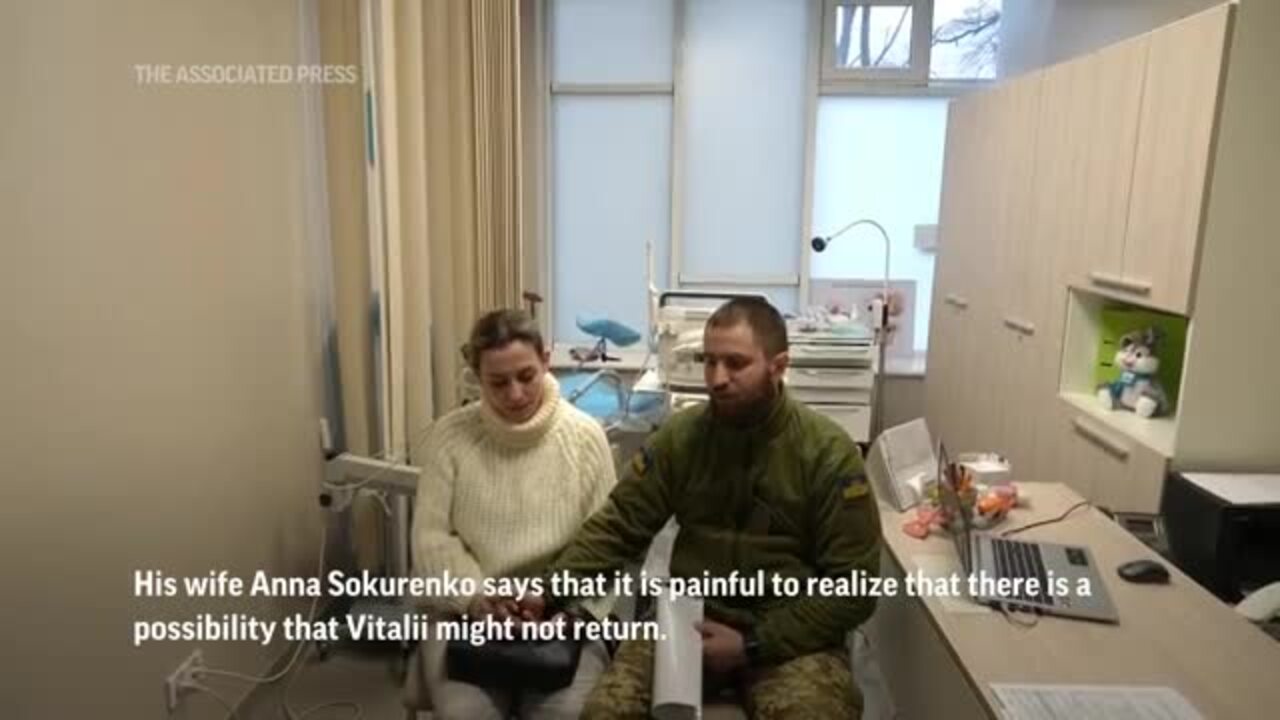
My husband shares bits and pieces of his experiences with me periodically. The other night, on the heels of Memorial Day, he told me a particularly poignant story. This one, like most of these memories, made my insides ache. It may have taken place five or six years ago, but the pain is so fresh.

As his wife, it puts me between a rock and a hard place. I want so desperately for him to keep sharing these memories. I want to share the pain with him, know as much as I can about the 15 months that we were apart. I want him to know that he can open up to me. I want to support him because I know that as much as it will be painful to hear about the things he has seen, he was the one that had to actually experience those events.

But at the same time, it leaves a lump in my chest. Whenever he shares his experiences, I take on part of that emotional burden.

Does your combat vet talk to you about his or her wartime experiences? How do you handle these difficult conversations?


About Erin

Erin is an Army wife of seven years and the mother of two little girls. Her Army wife resume includes five deployments, five PCS moves, four duty stations, and a few stints volunteering with the family readiness group. She has been documenting her family's military life experience since 2008 on her blog The Unexpected Army Life.

Comments

  1. Patience says:

    Every now and then I get an email with a link to a newspaper article related to his 05/06 deployment, although he’s since done another tour (I don’t read, watch, or follow reports from down range when he is deployed). This typically starts the dialogue for us and like you, it breaks my heart to find out bits and pieces of his experiences. Which is reason #xxxxx why I respect our spouses in uniform.

    • Al D'Adda says:

      If I might add something here, the fact that you listen speaks volumes and is very important as well for the soldier to be able to get off his/her chest their feelings. The need to tell some one is very much a part of the individual and their being. Soldiers will not inform the spouse of injuries while down range either, during my 15 month tour I re-injured my back but I did not tell my wife in fact I told her it was a pulled hamstring no big deal. It was not until we returned to SFT that I told her. I know sounds rotten but in my defense I knew she was already worried about my safety and for this to add to that worry would affect my son as well. They are both solid troopers though.

      With that being said I would also welcome you to share in return, just as your soldiers tell you about their stories you should share yours as well. The reason I say this is because often one person will be the listener and the other will be the talker. The listener will not worry about themselves and this can be harmful to varying degrees. For example our neighbor at another duty station, her daughter was molested by her husband. Our neighbor was very concerned about her daughter and took her to the therapist and endured the anger and rage her daughter felt as a result of the after math of being molested. We could tell our neighbor was at the end of her rope, she put every effort into salvaging a normal life for her daughter. To this end I applaud her, but I thought what is she doing for her mental state of mind? She may not have been the victim in a direct sense but she does feel the impact in a very direct way.

      So while we take on the role of care take or the wall to sound off on or with, one also needs to lookout for their state of mind as well. Deployment is a two way street and no one aspect stands out as greater than the other.

      All the best to you and your families.

      v/r
      D'Adda

  2. Em says:

    My fiancé deployed for the first time last year, and got back this April. It was a tougher deployment than I think either of us anticipated and he did have some near-death experiences. One happened just a month into the deployment, and another one happened a couple months before coming home…plus all the less-intense experiences in between. He has a twin brother who has also been to AFG before, so especially when things were stressful he would tell him all the details…he was the only one who could truly “get it.” DF would sometimes tell me things while he was over there, although I would also get a lot of details from his brother when DF didn’t feel like talking to me about them. The first weekend he was back I was surprised when he’d bring up the war subject and what had happened over there…whenever he gets in that mood I give him full attention and try to retain everything he says. The most difficult thing for me though, is that no matter how much I learn, I will never truly understand…it makes me feel helpless and I hate that. I want to be strong and helpful for him, but sometimes I doubt myself because I can’t ever “get it.” So I do love it when DF shares…I am always open to listening and learning, and I never judge…I want him to feel safe telling me things, and I believe he does feel that way. But most of the time, I’m at a loss for words on how to respond…I respect him and his sacrifice so much that I don’t want to say the wrong thing. All I can really say is that I love him and am really proud of him no matter what.

  3. GraceMascorro says:

    Listen because if they are talking to you about them, they trust you and they need you to listen. Do not judge. Just let them get whatever it is off their chest. No matter what they say just listen. And let them know you love them . We women want them to listen to us, many times the yelling gets loud over things that are not what is really wrong. Simply asking what happened, My sister asked my Dad and he answered he forgot to duck when the bad guys came. My mother cried for about an hour and then he talked for hours. They are our bad-ass Dad's and husbands, but they are people, human beings. And terrible things happen to them doing their jobs, the least we can do is listen.