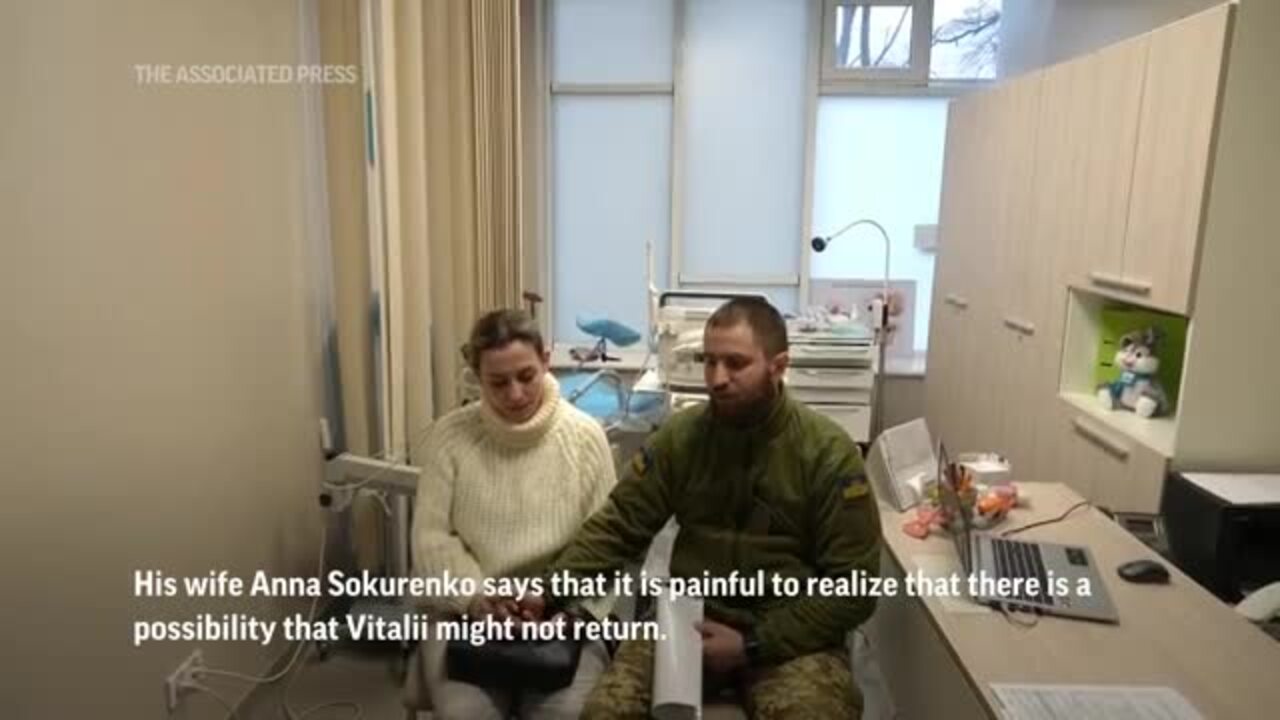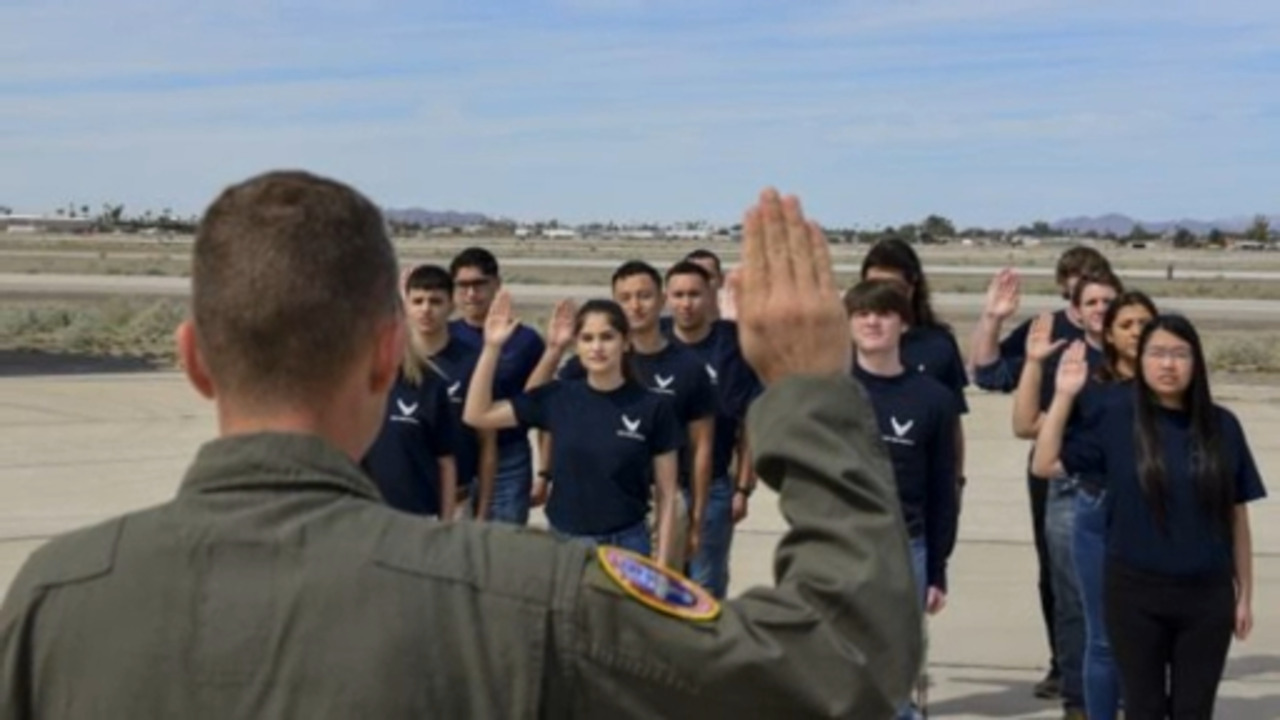
Brian, a Navy guy, was telling me why his wife Jamie is so awesome. “She keeps me in the family when I’m not there,” Brian explained. “When I do come home, it is easier because of all the things she does.”
Jamie wasn’t doing back handsprings or anything. She did the things so many military families do. Brian’s picture was hung all over the house. When their three kids (ages 6, 5, and 2) were babies, Jamie would point to the pictures and ask “Who’s that?” She would exclaim when the baby answered “Daddy.”
When the kids get a new toy, Jamie insists that they thank their dad even though he isn’t there. When Brian is home and the kids invariably come to her to ask for a snack or a playdate or whatever, Jamie tells them to “Ask Daddy.”
Makes perfect sense to me. When a service member is frequently absent, I think it is no big deal to adopt some practices that keep the dad in the family. After all, civilian moms have to tell their kids to “Ask Daddy,” too.
And husbands of female service members report that their kids walk right past the mom to ask their at-home parent. Out of self-preservation, those dads also institute a policy of “Ask Mommy.”
So why do I hear military spouses complain so often about having to tell the kids to “Ask Daddy” or “Ask Mommy?” Why is it such a big deal for us?
Sometimes I think it is because we spouses think the service member ought to be doing back handsprings to get back into the family after a long abscence. They should have missed their kids so much that they are aching to spend time with them settling squabbles over whose turn it is to have the blue Mega Bloks guys. They should be knocking themselves out to get a juice box for a three-year old who is, apparently, living on juice boxes.
Or maybe we spouses can resent the “Ask Daddy” policy because it points up how much parenting we at-homers do compared to our service members. Work/life balance doesn’t exactly reign in a military family.
Or maybe we don’t like how artificial it is. Maybe the “Ask Daddy” policy (and all the other things we do to keep the service member present) feel like a substitute for actually having our loved one at home.
Or maybe we worry over a policy of “Ask Daddy” or “Ask Mommy” because we wonder if maybe this is a sign that our kids will never have a close relationship with their service member?
I’m not sure. But when I was talking to Brian this week, when I saw how his face lit up when he was talking about his kids, I thought that maybe Jamie had it right. That you do whatever it takes to keep your kids close to their service member. And bask in the reflected glow.